
Top Chatbots: The Most Popular AI Conversational Agents
In recent years, chatbots have emerged as a transformative force in the realm of digital communication. These artificial intelligence-driven programs are designed to simulate human conversation, providing users with instant responses and assistance across various platforms. From simple text-based interactions to sophisticated voice-activated systems, chatbots have become an integral part of how businesses and individuals engage with technology. Their ability to operate around the clock, handle multiple inquiries simultaneously, and learn from interactions has made them invaluable tools in enhancing user experience and operational efficiency.
The rise of chatbots can be attributed to the increasing demand for immediate information and support in a fast-paced digital world. As consumers seek quick solutions to their queries, businesses have turned to chatbots to meet these expectations. By leveraging natural language processing and machine learning, chatbots can understand and respond to user inputs in a manner that feels increasingly human-like. This evolution not only streamlines communication but also allows organizations to allocate resources more effectively, focusing human talent on complex tasks while chatbots handle routine inquiries.
As the landscape of customer service continues to evolve, many businesses are turning to chatbots to enhance their customer interactions. For those interested in exploring the most popular chatbots available today, a related article can provide valuable insights into how these tools can be effectively implemented. You can read more about this topic in the article on customer-centric strategies for small business growth at هذا الرابط.
الوجبات الجاهزة الرئيسية
- Chatbots are AI-powered conversational agents designed to simulate human conversation and provide automated customer support.
- AI conversational agents have evolved from simple rule-based systems to more advanced natural language processing and machine learning algorithms.
- In business, popular chatbots include those used for lead generation, customer engagement, and sales support.
- In customer service, chatbots like IBM Watson Assistant and LivePerson are widely used for handling customer inquiries and providing support.
- In healthcare, chatbots like Buoy Health and Your.MD are popular for providing medical advice and symptom checking.
The Evolution of AI Conversational Agents
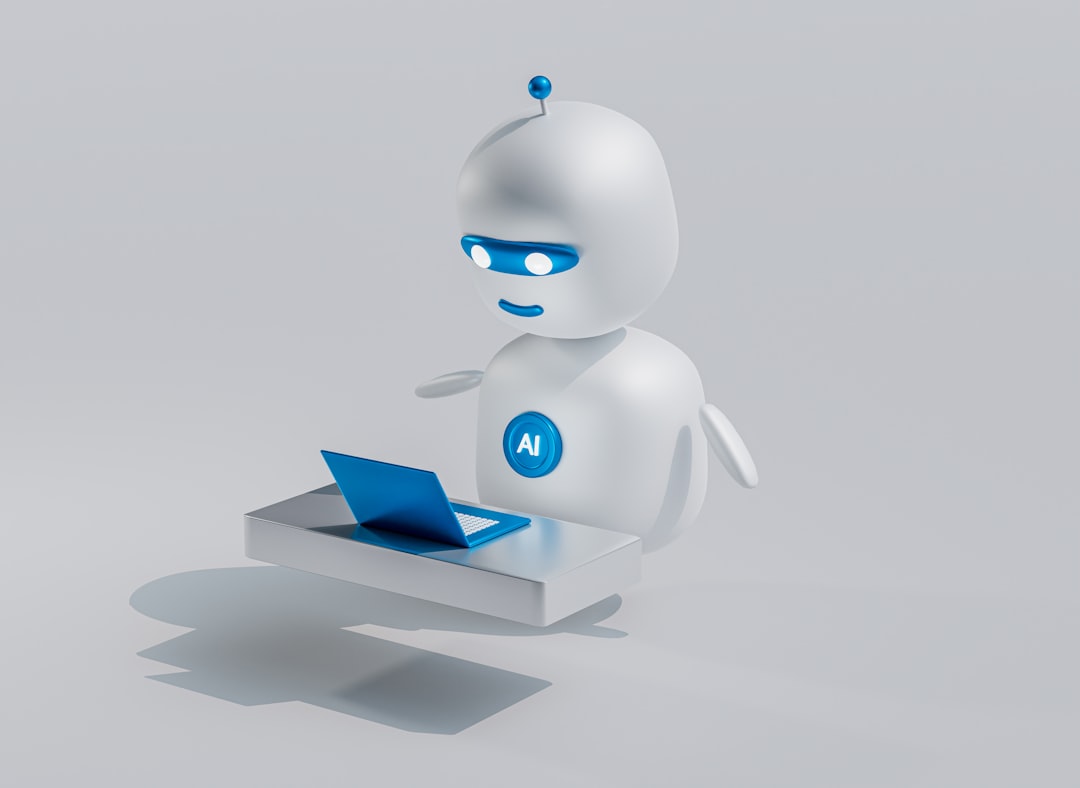
The journey of AI conversational agents began in the 1960s with the development of ELIZA, a program that could mimic human conversation by using pattern matching and substitution techniques.
Although rudimentary by today’s standards, ELIZA laid the groundwork for future advancements in natural language processing.
Over the decades, researchers and developers have made significant strides in creating more sophisticated systems capable of understanding context, sentiment, and even humor. The introduction of machine learning algorithms has further propelled this evolution, enabling chatbots to learn from interactions and improve their responses over time.
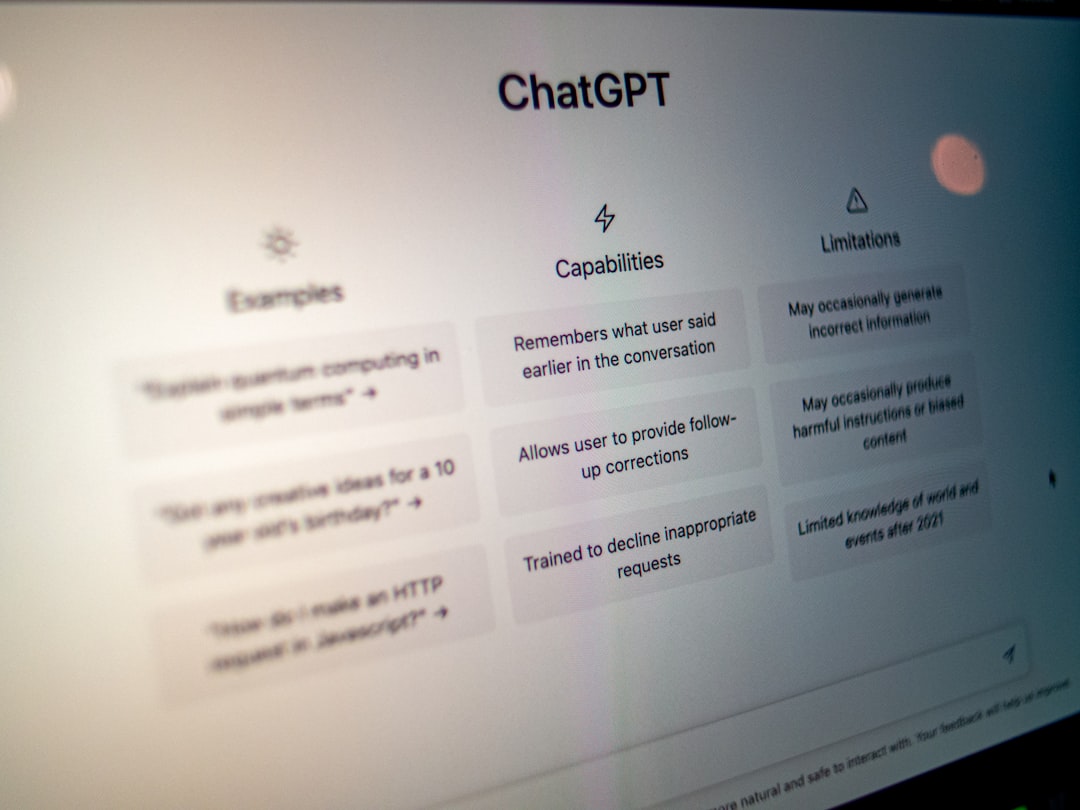
As technology progressed, so did the applications of chatbots. The 1990s saw the emergence of more advanced systems like ALICE, which utilized a more complex set of rules to engage users. However, it was not until the advent of deep learning in the 2010s that chatbots truly began to flourish. With the ability to analyze vast amounts of data and recognize patterns, modern chatbots can now engage in conversations that feel natural and intuitive. This evolution has led to their widespread adoption across various sectors, including business, healthcare, education, and entertainment, fundamentally changing how people interact with technology.
The Most Popular Chatbots in Business
In the business landscape, chatbots have become essential tools for enhancing customer engagement and streamlining operations. One of the most notable examples is Drift, a chatbot designed specifically for sales and marketing teams. Drift enables businesses to engage website visitors in real-time, qualifying leads and scheduling meetings without human intervention. Its ability to integrate seamlessly with customer relationship management (CRM) systems allows companies to capture valuable data while providing a personalized experience for potential clients. Another prominent player in the business chatbot arena is Intercom.
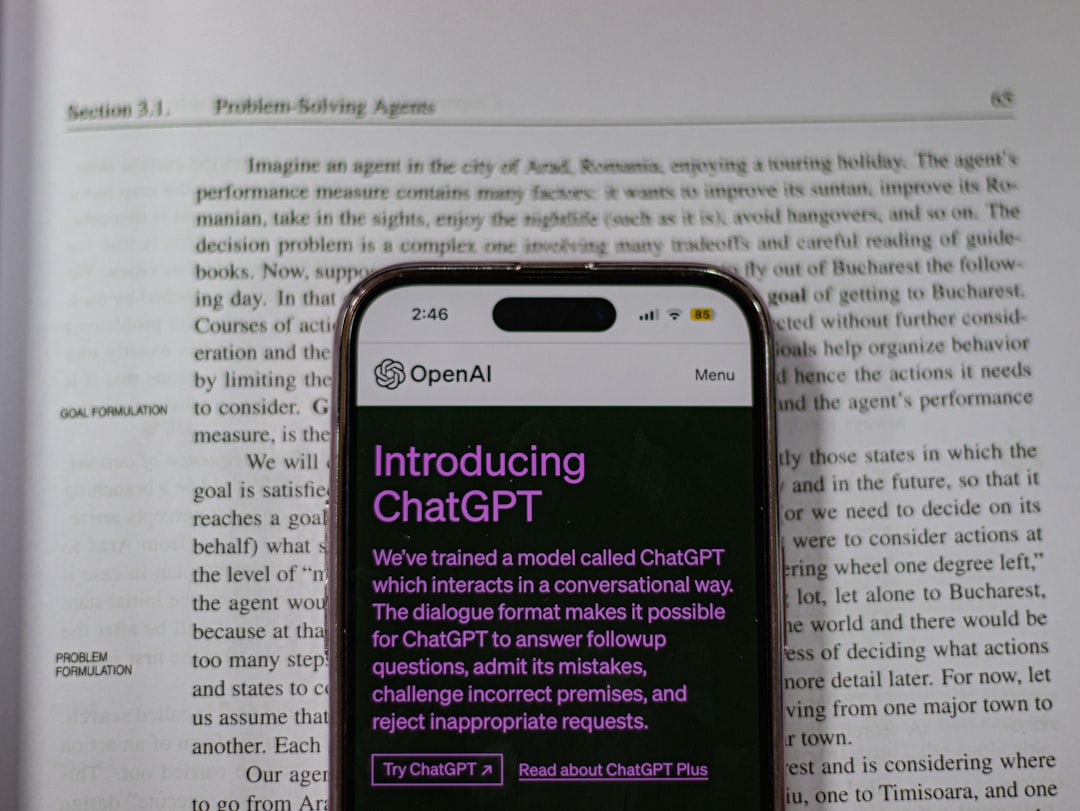
This platform combines live chat with automated messaging to create a comprehensive customer support solution. Intercom's chatbot can answer frequently asked questions, guide users through product features, and even assist with onboarding new customers. By automating these processes, businesses can reduce response times and improve customer satisfaction while freeing up human agents to tackle more complex issues that require a personal touch.
The Most Popular Chatbots in Customer Service
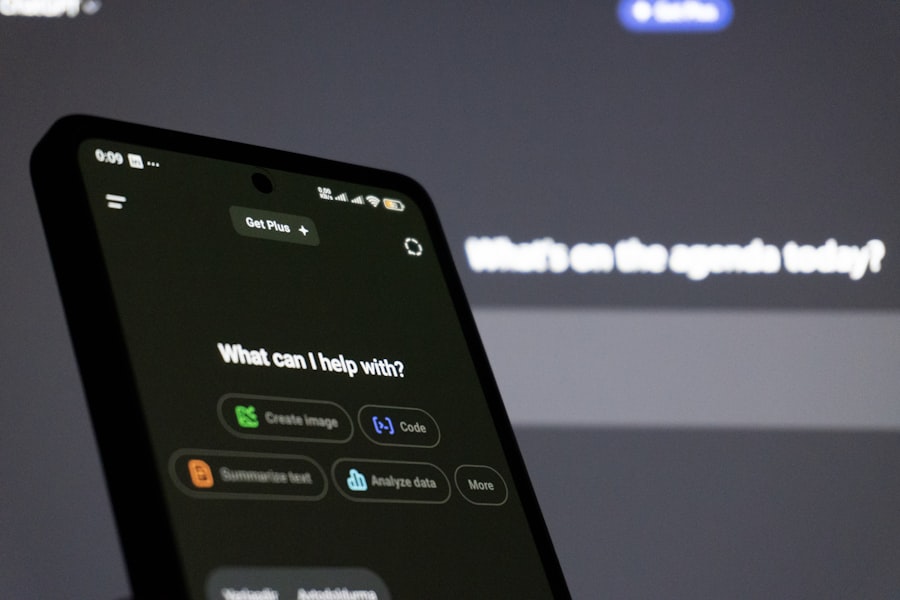
Customer service has been one of the primary domains where chatbots have made a significant impact. One of the leading chatbots in this field is Zendesk’s Answer Bot. This AI-driven assistant helps businesses provide immediate responses to customer inquiries by utilizing a knowledge base filled with frequently asked questions and troubleshooting guides. By directing customers to relevant information quickly, Answer Bot enhances user experience while reducing the workload on human agents.
Another noteworthy chatbot in customer service is LivePerson’s AI-powered messaging platform. This solution allows businesses to engage customers through various messaging channels, including SMS and social media. LivePerson’s chatbot can handle a wide range of inquiries, from order tracking to product recommendations, ensuring that customers receive timely assistance regardless of their preferred communication method. By integrating AI with human support, LivePerson creates a hybrid model that maximizes efficiency while maintaining a personal touch.
In recent years, the rise of artificial intelligence has led to the development of various chatbots that have gained immense popularity among users. One such article that explores the most popular chatbots available today can provide valuable insights into their features and functionalities. For those interested in learning more about these innovative tools, you can check out this informative piece on the most popular chatbots that are transforming the way we interact with technology.
The Most Popular Chatbots in Healthcare
| Chatbot Name | Platform | Number of Users | ملامح |
|---|---|---|---|
| Chatbot A | فيسبوك ماسنجر | 1 million | AI-powered, multi-language support |
| Chatbot B | Slack | 500,000 | Integration with third-party apps, customizable responses |
| Chatbot C | 2 million | Quick replies, media sharing |
In the healthcare sector, chatbots are revolutionizing patient engagement and support. One of the most recognized chatbots is Buoy Health, which acts as a virtual health assistant. Buoy Health guides users through a series of questions about their symptoms and provides personalized recommendations based on their responses. This innovative approach not only empowers patients to take charge of their health but also helps alleviate pressure on healthcare providers by directing patients to appropriate care options.
Another significant player in healthcare is Ada Health, an AI-driven chatbot that offers symptom assessment and health information. Users can interact with Ada by describing their symptoms in natural language, and the chatbot uses advanced algorithms to analyze this information and suggest possible conditions or next steps. By providing accessible health information and support, Ada Health enhances patient engagement while promoting informed decision-making regarding healthcare options.
The Most Popular Chatbots in Education
In the educational landscape, chatbots are becoming increasingly popular as tools for enhancing learning experiences and providing support to students. One notable example is Duolingo’s chatbot feature, which allows language learners to practice conversational skills in a low-pressure environment. By simulating real-life conversations, Duolingo’s chatbot helps users build confidence in their language abilities while receiving instant feedback on their performance.
Another significant educational chatbot is IBM’s Watson Tutor, which leverages artificial intelligence to provide personalized learning experiences for students. Watson Tutor can assess individual learning styles and adapt its teaching methods accordingly, ensuring that each student receives tailored support based on their unique needs. This level of personalization not only enhances student engagement but also promotes better learning outcomes by addressing gaps in knowledge and understanding.
The Most Popular Chatbots in Entertainment
The entertainment industry has also embraced chatbots as innovative tools for engaging audiences and enhancing user experiences. One prominent example is the chatbot created by the popular streaming service Netflix. This interactive assistant helps users discover new content based on their viewing preferences and can even provide personalized recommendations for movies and shows. By utilizing data analytics and user feedback, Netflix’s chatbot creates a tailored experience that keeps viewers engaged and encourages them to explore new genres.
Another notable chatbot in entertainment is Replika, an AI companion designed for social interaction and emotional support. Users can engage with Replika through text or voice conversations, sharing thoughts and feelings while receiving empathetic responses from the chatbot. This unique approach not only provides entertainment but also fosters meaningful connections between users and technology, highlighting the potential for chatbots to serve as companions in an increasingly digital world.
The Future of Chatbots
As technology continues to advance at a rapid pace, the future of chatbots appears promising and full of potential. With ongoing developments in natural language processing and machine learning, future chatbots are expected to become even more sophisticated in understanding context and emotion. This evolution will enable them to engage users in more meaningful conversations while providing personalized experiences tailored to individual preferences.
Moreover, as businesses increasingly recognize the value of integrating chatbots into their operations, the demand for these digital assistants is likely to grow across various sectors. Future chatbots may also incorporate advanced features such as voice recognition and augmented reality capabilities, further enhancing user interaction and engagement. As they continue to evolve, chatbots will undoubtedly play an essential role in shaping how individuals communicate with technology and each other in an increasingly interconnected world.
In conclusion, chatbots have come a long way since their inception, evolving into powerful tools that enhance communication across various domains. From business applications to healthcare solutions and educational support systems, these AI-driven conversational agents are transforming how people interact with technology. As advancements continue to unfold, the future holds exciting possibilities for chatbots, promising even greater integration into everyday life and reshaping the landscape of digital communication for years to come.
الأسئلة الشائعة
ما هي روبوتات المحادثة؟
Chatbots are computer programs designed to simulate conversation with human users, especially over the internet. They are often used in customer service, marketing, and other business applications to provide automated responses to user inquiries.
كيف تعمل روبوتات المحادثة؟
Chatbots use artificial intelligence (AI) and natural language processing (NLP) to understand and respond to user input. They can be programmed with specific responses to common questions or can be designed to learn from interactions and improve their responses over time.
What are the most popular chatbots?
Some of the most popular chatbots include Siri, developed by Apple; Alexa, developed by Amazon; Google Assistant, developed by Google; and chatbots developed by companies like IBM, Microsoft, and Facebook. These chatbots are widely used for tasks such as setting reminders, answering questions, and controlling smart home devices.
ما هي فوائد استخدام روبوتات المحادثة؟
Chatbots can provide 24/7 customer support, automate repetitive tasks, improve response times, and reduce the need for human intervention in certain processes. They can also gather and analyze data from user interactions to improve customer service and marketing strategies.
ما هي قيود روبوتات المحادثة؟
While chatbots can be useful for certain tasks, they are not always able to understand complex or nuanced language, and may struggle to provide personalized or empathetic responses. Additionally, chatbots may not be suitable for all types of customer interactions, and human intervention may still be necessary in some cases.