
Revolutionizing Healthcare with Conversational AI
In recent years, the healthcare industry has witnessed a remarkable transformation driven by technological advancements. Among these innovations, conversational AI has emerged as a pivotal force, reshaping how patients and providers interact. This technology, which encompasses chatbots, virtual assistants, and voice recognition systems, has gained traction due to its ability to facilitate real-time communication and streamline processes. As healthcare systems grapple with increasing patient demands and the need for efficiency, conversational AI offers a promising solution that enhances both patient engagement and operational effectiveness.
The rise of conversational AI in healthcare can be attributed to several factors. First, the growing prevalence of smartphones and internet connectivity has made it easier for patients to access digital health solutions. Patients are increasingly comfortable using technology to manage their health, leading to a surge in demand for AI-driven tools that can provide immediate assistance. Additionally, the COVID-19 pandemic accelerated the adoption of telehealth services, highlighting the need for efficient communication channels. As healthcare providers sought to maintain continuity of care while minimizing in-person visits, conversational AI emerged as a vital resource, enabling remote consultations and triage.
Conversational AI is revolutionizing the healthcare sector by enhancing patient engagement and streamlining communication between healthcare providers and patients. For a deeper understanding of how businesses can implement customer-centric strategies, which are also applicable in the healthcare context, you can read this insightful article on small business growth.
It discusses the importance of prioritizing customer needs, a principle that aligns closely with the goals of conversational AI in improving patient experiences.

To explore this further, visit this article.
الوجبات الجاهزة الرئيسية
- Conversational AI is increasingly being used in healthcare to improve patient care and streamline processes.
- Implementing conversational AI in healthcare settings can lead to improved patient engagement and satisfaction.
- The benefits of conversational AI in healthcare include increased efficiency, reduced costs, and improved access to care.
- Overcoming challenges in integrating conversational AI in healthcare requires addressing concerns about privacy, security, and equity.
- The future of healthcare with conversational AI holds promise for empowering healthcare professionals and improving access to care for all patients.
How Conversational AI is Transforming Patient Care
Conversational AI is fundamentally changing the landscape of patient care by enhancing communication and accessibility. One of the most significant impacts is the ability to provide patients with instant responses to their inquiries. Whether it’s scheduling appointments, obtaining medication information, or understanding treatment options, conversational AI systems can deliver accurate information at any time of day. This immediacy not only improves patient satisfaction but also empowers individuals to take an active role in their healthcare journey.
Moreover, conversational AI can facilitate personalized care by analyzing patient data and preferences. By leveraging machine learning algorithms, these systems can tailor interactions based on individual needs, ensuring that patients receive relevant information and support. For instance, a virtual health assistant might remind a patient about medication schedules or suggest lifestyle changes based on their medical history. This level of personalization fosters a deeper connection between patients and their healthcare providers, ultimately leading to better health outcomes.
The Benefits of Implementing Conversational AI in Healthcare Settings


The implementation of الذكاء الاصطناعي الحواري in healthcare settings offers numerous benefits that extend beyond improved patient engagement.
One of the most notable advantages is the reduction of administrative burdens on healthcare staff.
By automating routine tasks such as appointment scheduling and patient follow-ups, conversational AI allows healthcare professionals to focus on more complex clinical responsibilities. This not only enhances productivity but also reduces the likelihood of burnout among staff members. Additionally, conversational AI can significantly improve data collection and management processes. These systems can gather patient information efficiently during interactions, ensuring that healthcare providers have access to up-to-date records. This streamlined data collection process enhances clinical decision-making and supports better care coordination among multidisciplinary teams.
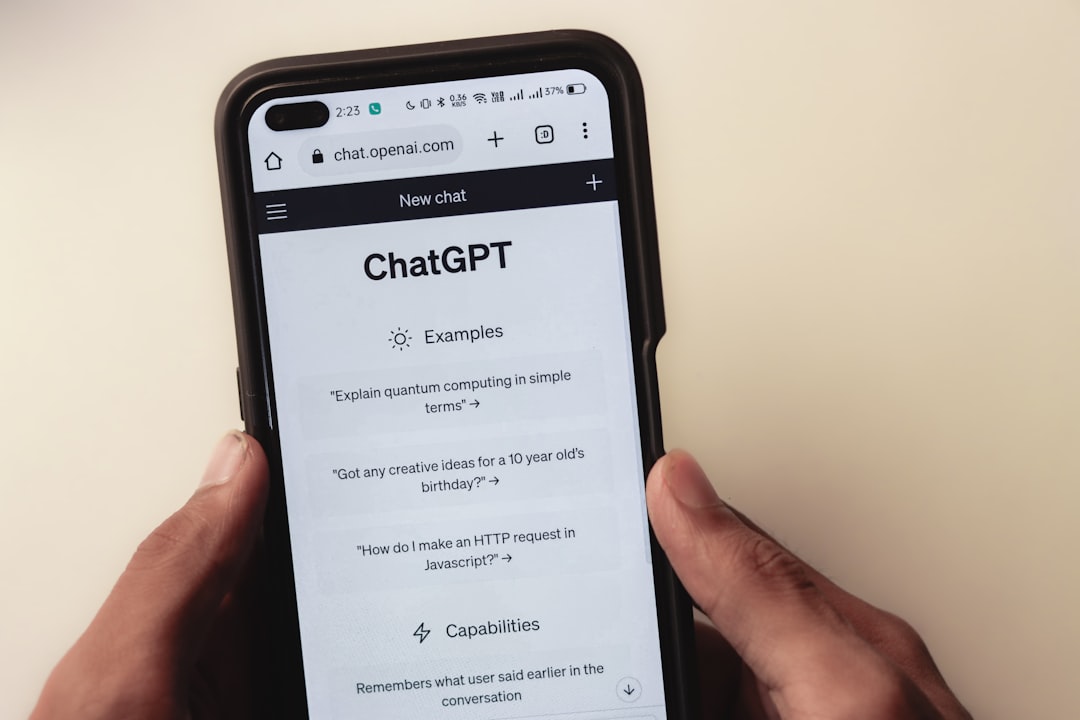
Furthermore, by analyzing trends in patient inquiries and feedback, healthcare organizations can identify areas for improvement and adapt their services accordingly.
Overcoming Challenges in Integrating Conversational AI in Healthcare

Despite the numerous advantages of conversational AI, integrating this technology into existing healthcare systems is not without its challenges. One significant hurdle is the need for interoperability with current electronic health record (EHR) systems. Many healthcare organizations rely on legacy systems that may not easily accommodate new technologies. Ensuring seamless integration requires careful planning and investment in infrastructure upgrades, which can be a daunting task for some institutions.
Another challenge lies in addressing the concerns surrounding the accuracy and reliability of AI-driven solutions. While conversational AI has made significant strides in natural language processing, there are still instances where misunderstandings can occur. Healthcare providers must ensure that these systems are rigorously tested and validated to minimize errors that could impact patient safety. Additionally, ongoing training and updates are essential to keep the technology aligned with evolving medical knowledge and practices.
Conversational AI is revolutionizing the healthcare industry by enhancing patient engagement and streamlining communication between healthcare providers and patients. A recent article discusses the transformative impact of these technologies on telemedicine, highlighting how AI-driven chatbots can provide immediate responses to patient inquiries and assist in symptom checking. For more insights on this topic, you can read the article هنا . This integration not only improves access to care but also helps in managing patient data more efficiently, ultimately leading to better health outcomes.
The Future of Healthcare with Conversational AI
| المقاييس | بيانات |
|---|---|
| Number of healthcare organizations using conversational AI | 200 |
| Percentage increase in patient engagement | 30% |
| Reduction in administrative costs | 1.2 million |
| Improvement in response time for patient queries | 50% |
Looking ahead, the future of healthcare with conversational AI appears promising. As technology continues to evolve, it is expected that these systems will become even more sophisticated, incorporating advanced features such as emotional recognition and predictive analytics. This evolution will enable conversational AI to not only respond to patient inquiries but also anticipate their needs based on historical data and behavioral patterns.
Furthermore, the integration of conversational AI with other emerging technologies, such as telemedicine and wearable devices, will create a more holistic approach to patient care. For instance, a virtual assistant could monitor a patient's vital signs through wearable technology and provide real-time feedback or alerts based on predefined thresholds. This interconnectedness will enhance proactive care management and empower patients to take charge of their health like never before.
Ensuring Patient Privacy and Security with Conversational AI
As healthcare organizations increasingly adopt conversational AI solutions, ensuring patient privacy and security remains a top priority. The sensitive nature of health information necessitates robust measures to protect data from unauthorized access or breaches. Healthcare providers must implement stringent security protocols, including encryption and secure authentication methods, to safeguard patient interactions with AI systems.
Moreover, transparency is crucial in building trust between patients and healthcare providers regarding the use of conversational AI. Patients should be informed about how their data will be used and stored, as well as their rights concerning privacy. By fostering an environment of openness and accountability, healthcare organizations can alleviate concerns surrounding data security while encouraging patients to engage with AI-driven tools confidently.
Improving Healthcare Access and Equity with Conversational AI
Conversational AI has the potential to significantly improve healthcare access and equity by breaking down barriers that often hinder marginalized populations from receiving adequate care. For individuals living in remote areas or those with limited mobility, traditional healthcare services may be difficult to access. Conversational AI can bridge this gap by providing virtual consultations and support through mobile devices, ensuring that patients can receive care regardless of their location.
Additionally, conversational AI can help address language barriers by offering multilingual support. This feature is particularly beneficial in diverse communities where patients may not speak the dominant language fluently. By providing information in multiple languages, conversational AI ensures that all patients have equal access to healthcare resources and information, promoting health equity across different demographics.
The Role of Conversational AI in Empowering Healthcare Professionals
Conversational AI is not only transforming patient experiences but also empowering healthcare professionals in various ways. By automating routine tasks and providing real-time access to information, these systems enable clinicians to make informed decisions more efficiently. This empowerment allows healthcare providers to dedicate more time to direct patient care rather than administrative duties.
Furthermore, conversational AI can serve as a valuable educational tool for healthcare professionals. By offering access to the latest research findings and clinical guidelines through natural language queries, these systems can support continuous learning and professional development. As a result, healthcare professionals are better equipped to deliver high-quality care while staying abreast of advancements in their field.
In conclusion, the rise of conversational AI in healthcare represents a significant shift towards more efficient, accessible, and personalized care delivery. While challenges remain in integrating this technology into existing systems, the benefits it offers are undeniable. As healthcare continues to evolve alongside technological advancements, conversational AI will play an increasingly vital role in shaping the future of patient care and empowering both patients and providers alike.
الأسئلة الشائعة
What is conversational AI in healthcare?
Conversational AI in healthcare refers to the use of artificial intelligence technology to enable natural language interactions between patients and healthcare providers. This technology can be used for tasks such as scheduling appointments, answering medical questions, and providing medication reminders.
How is conversational AI used in healthcare?
Conversational AI is used in healthcare to improve patient engagement, streamline administrative tasks, and provide personalized care. It can be integrated into various platforms such as mobile apps, websites, and virtual assistants to facilitate communication between patients and healthcare professionals.
What are the benefits of conversational AI in healthcare?
The benefits of conversational AI in healthcare include improved access to information, enhanced patient satisfaction, increased efficiency in administrative tasks, and the potential for more personalized and proactive care. It can also help reduce the burden on healthcare staff by handling routine inquiries and tasks.
What are the potential challenges of implementing conversational AI in healthcare?
Challenges of implementing conversational AI in healthcare may include concerns about data privacy and security, ensuring accuracy and reliability of information provided, addressing language and cultural differences, and managing patient expectations. Additionally, there may be resistance to adopting new technology among healthcare professionals and patients.
What are some examples of conversational AI applications in healthcare?
Examples of conversational AI applications in healthcare include virtual health assistants for symptom checking and triage, chatbots for medication adherence and chronic disease management, and voice-enabled devices for accessing medical information and scheduling appointments. These applications aim to enhance patient experience and improve healthcare delivery.
اترك ردًا