
تحسين خدمة العملاء باستخدام روبوت الدردشة الذكاء الاصطناعي
Artificial Intelligence (AI) chatbots have emerged as a transformative force in the realm of customer service. These sophisticated programs are designed to simulate human conversation, allowing businesses to interact with customers in real-time through text or voice. By leveraging natural language processing (NLP) and machine learning algorithms, AI chatbots can understand and respond to customer inquiries, providing instant assistance and information.
This technology has evolved significantly over the years, moving from simple scripted responses to more advanced systems capable of learning from interactions and improving over time. The core functionality of AI chatbots lies in their ability to process vast amounts of data and recognize patterns in customer behavior. This enables them to provide personalized responses based on previous interactions, preferences, and even sentiment analysis.
As a result, businesses can offer a more tailored experience to their customers, enhancing satisfaction and loyalty. The integration of AI chatbots into customer service strategies not only streamlines operations but also allows human agents to focus on more complex tasks, thereby increasing overall efficiency.
الوجبات الجاهزة الرئيسية
- AI chatbots enhance customer service by providing instant, 24/7 support and handling routine inquiries efficiently.
- Successful implementation requires careful integration with existing customer service systems and channels.
- Training and customization are essential to ensure chatbots understand and respond accurately to customer needs.
- Complex queries may still require human intervention, highlighting the importance of seamless handoff processes.
- Continuous monitoring and updates help improve chatbot performance and adapt to evolving customer expectations.
فوائد استخدام روبوتات الدردشة الذكاء الاصطناعي لخدمة العملاء
The advantages of employing AI chatbots in customer service are manifold. One of the most significant benefits is the ability to provide 24/7 support. Unlike human agents, who require breaks and time off, chatbots can operate around the clock, ensuring that customers receive assistance whenever they need it.
This constant availability can lead to higher customer satisfaction rates, as individuals no longer have to wait for business hours to resolve their issues. Moreover, AI chatbots can handle a high volume of inquiries simultaneously, which is particularly beneficial during peak times or promotional events. This scalability allows businesses to manage customer interactions efficiently without compromising on service quality.
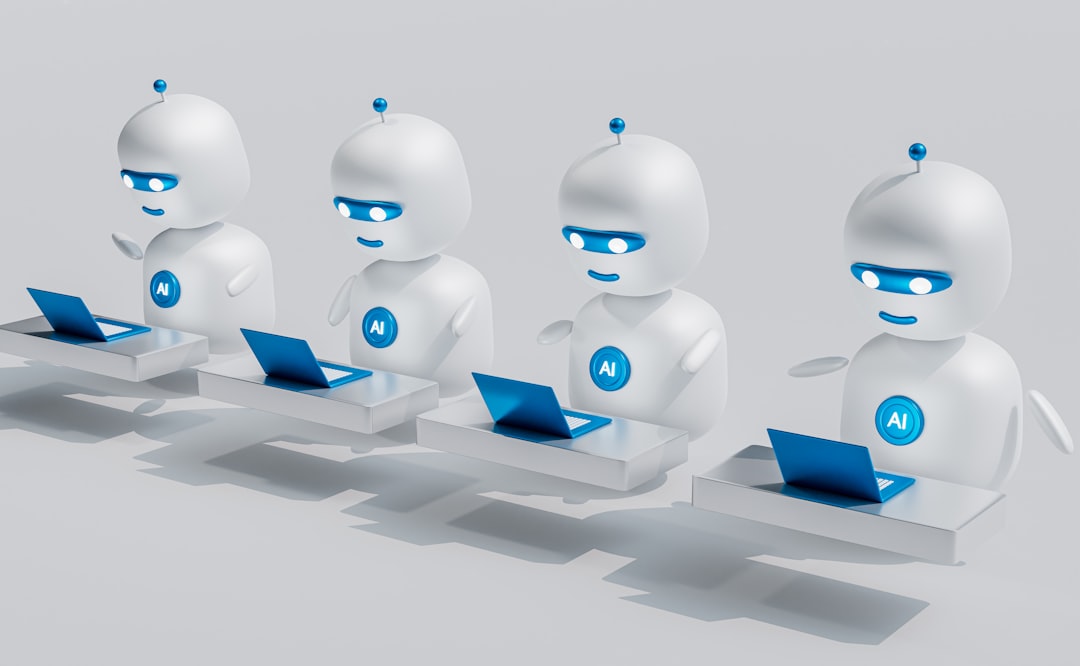
Additionally, chatbots can reduce operational costs by minimizing the need for a large customer service team.
Implementing AI Chatbots in Customer Service

The implementation of AI chatbots in customer service requires careful planning and consideration. Businesses must first identify the specific needs and objectives they aim to achieve with تقنية روبوتات الدردشة . This involves analyzing common customer queries and determining which tasks can be automated.
By understanding the pain points in their current customer service processes, organizations can tailor their chatbot solutions to address these challenges effectively. Once the objectives are established, the next step involves selecting the right platform or technology for chatbot development. There are numerous options available, ranging from off-the-shelf solutions to custom-built systems.

Companies must evaluate factors such as ease of integration with existing systems, scalability, and the level of customization required. After selecting a platform, businesses can begin designing the chatbot's conversational flow, ensuring that it aligns with their brand voice and meets customer expectations.
Training and Customizing AI Chatbots for Customer Service
| القياس | وصف | Typical Range / Value | الأهمية |
|---|---|---|---|
| حجم بيانات التدريب | Amount of conversational data used to train the chatbot | 10,000 - 1,000,000+ utterances | عال |
| دقة التعرف على النية | نسبة نوايا المستخدم التي تم تحديدها بشكل صحيح | 85% - 95% | مرتفع جدا |
| وقت الاستجابة | متوسط الوقت المستغرق للرد على استفسار المستخدم | 1 - 3 seconds | عال |
| درجة رضا العملاء (CSAT) | Customer rating of chatbot interactions | 70% - 90% | مرتفع جدا |
| معدل الرجوع البديل | Percentage of queries the chatbot fails to understand or answer | 5% - 15% | متوسط |
| وقت التدريب | Time required to train or retrain the chatbot model | Hours to days | متوسط |
| مستوى التخصيص | Degree of tailoring chatbot responses and workflows to business needs | Low / Medium / High | عال |
| معدل إكمال المحادثة | Percentage of conversations successfully resolved by the chatbot | 60% - 85% | مرتفع جدا |
| Training Data Freshness | Frequency of updating training data to reflect new products or policies | Weekly / Monthly | عال |
| Multilingual Support | Number of languages the chatbot can effectively handle | 1 - 10+ | متوسط |
Training and customizing AI chatbots is a critical phase in their development. Initially, chatbots require a robust dataset to learn from, which includes historical customer interactions and frequently asked questions. This training process enables the chatbot to understand various intents and respond appropriately to different queries.
Continuous learning is essential; as the chatbot interacts with customers, it gathers new data that can be used to refine its responses further. Customization is equally important in ensuring that the chatbot resonates with the target audience. Businesses should consider incorporating their brand's tone and personality into the chatbot's responses.
This not only enhances the user experience but also fosters a sense of familiarity and trust among customers. Additionally, organizations should regularly update the chatbot's knowledge base to reflect changes in products, services, or company policies, ensuring that it remains relevant and accurate.
Handling Complex Customer Queries with AI Chatbots
While AI chatbots excel at managing routine inquiries, they may encounter complex customer queries that require human intervention. To address this challenge, businesses can implement a hybrid model that combines chatbot capabilities with human support. In such a system, the chatbot can handle initial interactions and escalate more complicated issues to human agents when necessary.
This approach ensures that customers receive timely assistance while allowing human agents to focus on high-value tasks. Furthermore, advanced AI chatbots are increasingly equipped with features that enable them to recognize when a query is beyond their capabilities. By employing sentiment analysis and contextual understanding, these chatbots can gauge customer frustration or confusion and proactively offer to connect them with a human representative.
This seamless transition not only enhances the customer experience but also demonstrates the company's commitment to providing comprehensive support.
Monitoring and Improving AI Chatbot Performance

Monitoring the performance of AI chatbots is essential for continuous improvement. Businesses should establish key performance indicators (KPIs) to evaluate the effectiveness of their chatbots in meeting customer needs. Metrics such as response time, resolution rate, and customer satisfaction scores can provide valuable insights into how well the chatbot is performing.
Regularly analyzing these metrics allows organizations to identify areas for enhancement and make data-driven decisions. In addition to quantitative metrics, qualitative feedback from customers is crucial for refining chatbot performance. Organizations can solicit feedback through post-interaction surveys or by analyzing customer interactions for sentiment and satisfaction levels.
By combining quantitative data with qualitative insights, businesses can develop a comprehensive understanding of their chatbot's strengths and weaknesses, enabling them to implement targeted improvements that enhance overall performance.
Integrating AI Chatbots with Other Customer Service Channels
To maximize the effectiveness of AI chatbots, businesses should consider integrating them with other customer service channels. This omnichannel approach ensures that customers receive consistent support across various platforms, whether they are interacting via social media, email, or live chat. By creating a unified experience, organizations can enhance customer satisfaction and streamline communication.
Integration also allows for better data sharing between channels, enabling chatbots to access relevant information from other systems. For instance, if a customer initiates a conversation on social media but later switches to live chat, the chatbot can retrieve previous interactions and provide contextually relevant responses. This continuity not only improves efficiency but also fosters a sense of personalization that resonates with customers.
Future Trends in AI Chatbot Technology for Customer Service
As technology continues to evolve, so too will AI chatbots in customer service. One emerging trend is the increased use of voice recognition technology, allowing customers to interact with chatbots through spoken language rather than text. This shift could enhance accessibility and convenience for users who prefer verbal communication or have difficulty typing.
This capability will allow businesses to deploy chatbots that are not only more responsive but also capable of handling an even broader range of inquiries with greater accuracy. Furthermore, as privacy concerns grow among consumers, future AI chatbots will likely incorporate enhanced security measures to protect user data while maintaining compliance with regulations such as GDPR.
This focus on privacy will be crucial in building trust between businesses and their customers as they navigate an increasingly digital landscape. In conclusion, AI chatbots represent a powerful tool for enhancing customer service across various industries. By understanding their capabilities and implementing them effectively, businesses can improve efficiency, reduce costs, and ultimately deliver a superior customer experience.
As technology continues to advance, organizations must remain agile and adapt their strategies to leverage the full potential of AI chatbots in an ever-evolving marketplace.
Implementing AI chatbots for customer service can significantly enhance the customer experience by providing instant support and personalized interactions. For businesses looking to improve their customer service strategy, it's essential to adopt a customer-centric approach. A related article that delves into this topic is available at تنفيذ استراتيجية تتمحور حول العملاء لتحقيق النجاح , which outlines key strategies for small businesses to thrive in a competitive market.
الأسئلة الشائعة
ما هو روبوت الدردشة الذكاء الاصطناعي لخدمة العملاء؟
An AI chatbot for customer service is a software application that uses artificial intelligence to simulate human conversation. It interacts with customers through text or voice to provide support, answer questions, and resolve issues efficiently.
How does an AI chatbot improve customer service?
AI chatbots improve customer service by providing instant responses, handling multiple queries simultaneously, offering 24/7 availability, and reducing wait times. They can also assist in routing complex issues to human agents.
Can AI chatbots understand natural language?
Yes, most AI chatbots use natural language processing (NLP) to understand and interpret customer inputs in everyday language, enabling more accurate and meaningful interactions.
Are AI chatbots customizable for different businesses?
Yes, AI chatbots can be customized to fit the specific needs of different businesses, including branding, conversation flows, and integration with existing customer service platforms.
Do AI chatbots replace human customer service agents?
AI chatbots are designed to assist and augment human agents, not replace them entirely. They handle routine inquiries, allowing human agents to focus on more complex or sensitive customer issues.
What types of customer service tasks can AI chatbots handle?
AI chatbots can handle tasks such as answering FAQs, booking appointments, processing orders, providing product information, troubleshooting common problems, and collecting customer feedback.
Is it secure to use AI chatbots for customer service?
When properly implemented, AI chatbots follow data privacy and security standards to protect customer information. Businesses should ensure compliance with relevant regulations like GDPR or CCPA.
How do AI chatbots learn and improve over time?
AI chatbots use machine learning algorithms to analyze interactions and feedback, enabling them to improve their responses and accuracy continuously.
Can AI chatbots integrate with other customer service tools?
Yes, AI chatbots can be integrated with CRM systems, helpdesk software, live chat platforms, and other tools to provide a seamless customer service experience.
What are the limitations of AI chatbots in customer service?
Limitations include difficulty understanding complex or ambiguous queries, lack of emotional intelligence, and potential challenges in handling highly personalized or sensitive issues. Human intervention is often necessary in such cases.
اترك ردًا