
Enhancing Customer Experience with IBM Chatbot
In the rapidly evolving landscape of customer service, chatbots have emerged as pivotal tools that redefine how businesses interact with their clients. These AI-driven systems are designed to simulate human conversation, providing immediate responses to customer inquiries and facilitating a more efficient service experience. By leveraging natural language processing and machine learning, chatbots can understand and respond to a wide array of customer queries, making them invaluable assets for organizations aiming to enhance their customer experience. The integration of chatbots into customer service strategies not only streamlines operations but also allows companies to maintain a consistent presence, ensuring that customers receive timely assistance regardless of the hour.
Moreover, the role of chatbots extends beyond mere response mechanisms; they serve as a bridge between customers and businesses, fostering engagement and satisfaction. By providing instant answers to frequently asked questions, chatbots alleviate the burden on human agents, allowing them to focus on more complex issues that require a personal touch. This dual approach not only improves efficiency but also enhances the overall customer experience, as clients feel valued and understood. As businesses continue to embrace digital transformation, the importance of chatbots in shaping customer interactions cannot be overstated, making them essential components of modern customer service frameworks.
IBM's chatbot technology has been making waves in the realm of customer service, providing businesses with innovative solutions to enhance user engagement and streamline communication. For those interested in exploring how a customer-centric strategy can drive small business growth, a related article can be found at هذا الرابط . This article delves into the importance of prioritizing customer needs and how implementing such strategies can lead to greater success in today's competitive market.
الوجبات الجاهزة الرئيسية
- Chatbots play a crucial role in enhancing customer experience by providing quick and efficient support.
- Implementing IBM Chatbot can streamline customer interactions and improve overall satisfaction.
- Personalizing customer interactions with IBM Chatbot can create a more tailored and engaging experience for users.
- IBM Chatbot can enhance customer support by providing 24/7 assistance and resolving queries in real-time.
- Leveraging data and analytics with IBM Chatbot can help in understanding customer behavior and preferences for improved experience.

Implementing IBM Chatbot for Seamless Customer Interactions
The implementation of IBM Chatbot represents a significant step toward achieving seamless customer interactions. IBM's advanced AI technology enables businesses to create chatbots that are not only capable of handling routine inquiries but also equipped to learn from each interaction. This adaptability ensures that the chatbot becomes increasingly effective over time, providing customers with accurate and relevant information tailored to their specific needs. The deployment process involves integrating the chatbot into existing communication channels, such as websites, mobile apps, and social media platforms, thereby ensuring that customers can access support through their preferred mediums.
Furthermore, IBM Chatbot's user-friendly interface allows organizations to customize their bots according to brand voice and customer expectations. This level of personalization is crucial in creating a cohesive customer experience that resonates with users. By utilizing IBM's robust analytics tools, businesses can monitor chatbot performance and make data-driven adjustments to improve functionality. The result is a dynamic customer service solution that not only meets but anticipates customer needs, ultimately leading to higher satisfaction rates and increased loyalty.
Personalizing Customer Interactions with IBM Chatbot

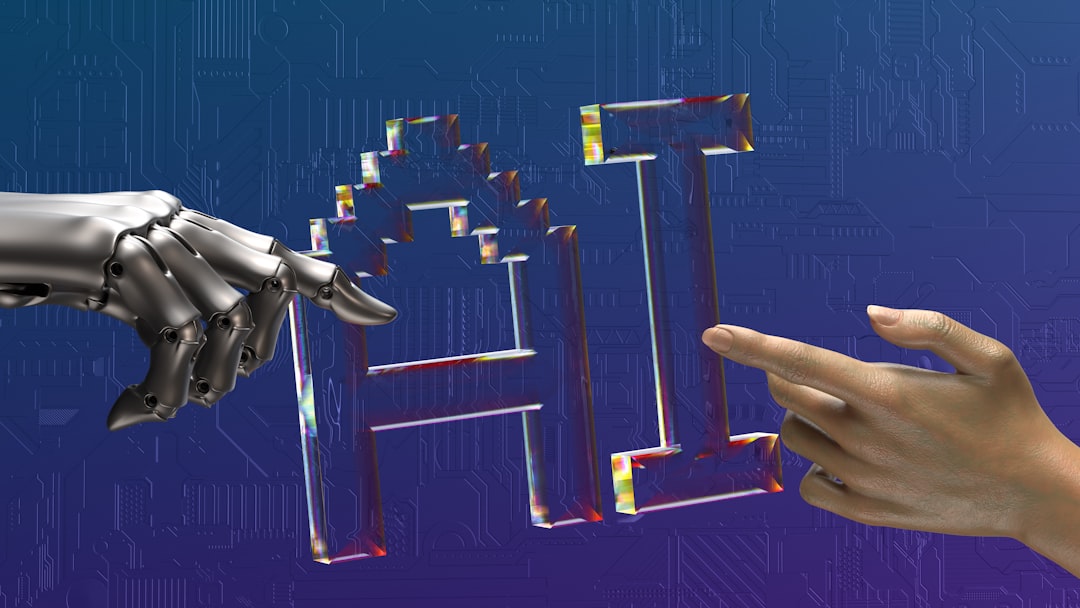
Personalization is a cornerstone of effective customer engagement, and IBM Chatbot excels in this area by utilizing data to tailor interactions. By analyzing previous conversations and customer behavior, the chatbot can offer personalized recommendations and solutions that align with individual preferences. This level of customization fosters a sense of connection between the customer and the brand, as clients feel recognized and valued rather than just another number in a queue.
The ability to address customers by name and recall past interactions enhances the overall experience, making it more relatable and engaging. Additionally, IBM Chatbot can segment customers based on their profiles and behaviors, allowing for targeted communication strategies. For instance, if a customer frequently inquires about specific products or services, the chatbot can proactively provide updates or promotions related to those interests.
This proactive approach not only enhances customer satisfaction but also drives sales by encouraging repeat business. By leveraging the power of personalization, IBM Chatbot transforms standard interactions into meaningful conversations that resonate with customers on a deeper level.
Enhancing Customer Support with IBM Chatbot
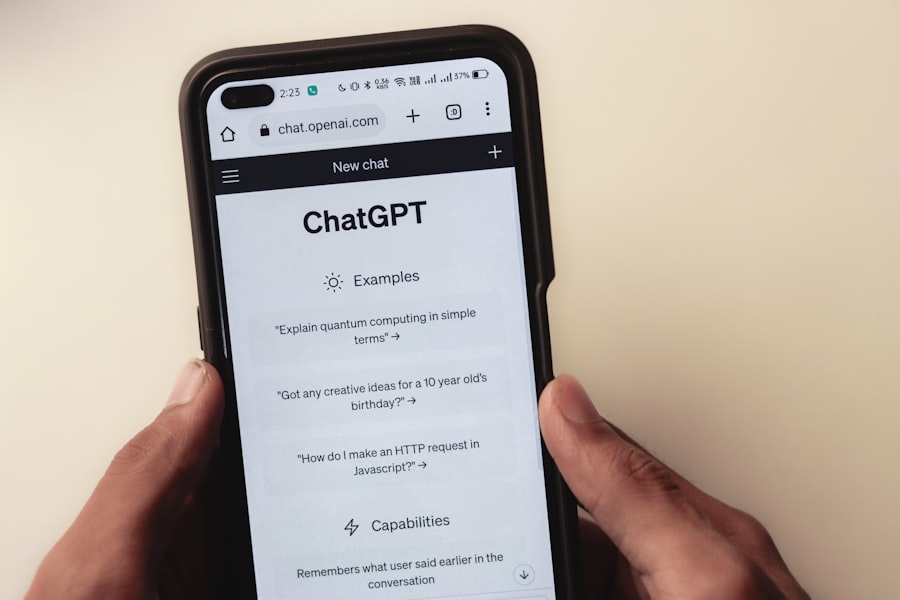

The enhancement of customer support through IBM Chatbot is evident in its ability to provide immediate assistance while maintaining high levels of accuracy. Customers today expect quick resolutions to their issues, and chatbots are designed to meet this demand by offering 24/7 support without the limitations of human availability. This constant accessibility ensures that customers can receive help whenever they need it, significantly improving their overall experience with the brand. Moreover, the chatbot's ability to handle multiple inquiries simultaneously means that wait times are drastically reduced, further contributing to customer satisfaction.
In addition to speed, IBM Chatbot enhances support by providing comprehensive solutions that guide customers through troubleshooting processes or product inquiries. The chatbot can access a vast database of information, allowing it to deliver precise answers and resources quickly. In cases where the chatbot cannot resolve an issue, it can seamlessly escalate the conversation to a human agent while retaining context from previous interactions. This smooth transition minimizes frustration for customers and ensures that they receive the assistance they need without having to repeat themselves.
By combining efficiency with effective problem-solving capabilities, IBM Chatbot significantly elevates the standard of customer support.
IBM's chatbot technology has been making waves in the customer service industry, enhancing user experiences through advanced artificial intelligence. For those interested in exploring the broader implications of AI in business, a related article can provide valuable insights into how companies are leveraging these tools to improve efficiency and engagement.
You can read more about this transformative trend in the article found هنا .
Leveraging Data and Analytics for Improved Customer Experience
المقاييس قيمة Number of Conversations 5000 رضا العملاء 85% وقت الاستجابة 10 ثوان دقة 90% Data and analytics play a crucial role in refining customer experiences, and IBM Chatbot harnesses these tools effectively. By collecting data from each interaction, the chatbot generates insights into customer preferences, behaviors, and pain points. This information is invaluable for businesses seeking to enhance their service offerings and tailor their strategies accordingly. For instance, analyzing common queries can help organizations identify gaps in their product knowledge or service delivery, prompting necessary adjustments that lead to improved customer satisfaction.
Moreover, IBM's analytics capabilities allow businesses to track key performance indicators (KPIs) related to chatbot interactions. Metrics such as response time, resolution rates, and customer feedback can be monitored in real-time, enabling organizations to make informed decisions about their customer service strategies. By leveraging this data-driven approach, companies can continuously optimize their chatbot functionalities and ensure that they are meeting evolving customer expectations. Ultimately, the integration of data analytics into the chatbot framework empowers businesses to create more personalized and effective customer experiences.
Integrating IBM Chatbot with Existing Customer Service Platforms
The integration of IBM Chatbot with existing customer service platforms is a strategic move that enhances operational efficiency and improves overall service delivery. Many organizations already utilize various tools for managing customer interactions—such as CRM systems or helpdesk software—and integrating the chatbot into these platforms creates a unified approach to customer service. This seamless integration allows for better data sharing between systems, ensuring that all customer interactions are logged and accessible across different channels.
Furthermore, by connecting IBM Chatbot with existing platforms, businesses can streamline workflows and reduce redundancy in processes. For example, when a chatbot collects information from a customer inquiry, it can automatically update relevant records in the CRM system without requiring manual input from agents. This not only saves time but also minimizes the risk of errors associated with data entry. As a result, agents can focus on more complex tasks while the chatbot handles routine inquiries efficiently. The synergy created through integration ultimately leads to a more cohesive customer experience where information flows freely between systems.
Ensuring Security and Privacy in IBM Chatbot Interactions
In an era where data breaches and privacy concerns are prevalent, ensuring security in chatbot interactions is paramount for businesses utilizing IBM Chatbot technology. IBM places a strong emphasis on security protocols designed to protect sensitive customer information during interactions. This includes encryption methods that safeguard data transmission between users and the chatbot, ensuring that personal details remain confidential throughout the conversation.
Additionally, organizations must implement robust privacy policies that comply with regulations such as GDPR or CCPA when deploying chatbots. By being transparent about data collection practices and obtaining explicit consent from users before gathering personal information, businesses can build trust with their customers. Furthermore, regular audits and assessments of security measures are essential to identify potential vulnerabilities and address them proactively. By prioritizing security and privacy in chatbot interactions, companies can foster a safe environment for customers while enhancing their overall experience.
Measuring the Impact of IBM Chatbot on Customer Satisfaction
Measuring the impact of IBM Chatbot on customer satisfaction is crucial for understanding its effectiveness as a service tool. Organizations can employ various methods to gauge how well the chatbot meets customer needs and expectations. Surveys conducted after interactions can provide valuable feedback regarding user experiences, allowing businesses to identify areas for improvement or highlight successful features of the chatbot.
Additionally, analyzing metrics such as Net Promoter Score (NPS) or Customer Satisfaction Score (CSAT) can offer insights into overall satisfaction levels among users who interacted with the chatbot compared to those who engaged with human agents. By comparing these scores over time, organizations can assess whether implementing the chatbot has positively influenced customer perceptions of their service quality. Ultimately, measuring these impacts enables businesses to refine their strategies continually and ensure that they are delivering exceptional experiences through their IBM Chatbot solutions.
الأسئلة الشائعة
What is an IBM chatbot?
An IBM chatbot is a computer program designed to simulate conversation with human users, especially over the internet. It is powered by artificial intelligence and can understand and respond to natural language inputs.
How does an IBM chatbot work?
IBM chatbots use natural language processing (NLP) and machine learning algorithms to understand and interpret user inputs. They can then generate appropriate responses based on the input and the context of the conversation.
What are the benefits of using an IBM chatbot?
Some benefits of using an IBM chatbot include improved customer service, increased efficiency in handling repetitive tasks, 24/7 availability, and the ability to handle multiple conversations simultaneously.
What industries can benefit from using IBM chatbots?
IBM chatbots can be beneficial for a wide range of industries including customer service, healthcare, banking, retail, and more. They can be used for tasks such as answering customer inquiries, scheduling appointments, providing product recommendations, and more.
How can businesses implement an IBM chatbot?
Businesses can implement an IBM chatbot by using IBM Watson Assistant, which is a platform that allows users to build and deploy chatbots across multiple channels such as websites, mobile apps, and messaging platforms. Additionally, businesses can also integrate IBM chatbots with their existing systems and applications.
اترك ردًا