
Enhancing Customer Experience with Machine Learning Chatbots
In recent years, the landscape of customer service has undergone a significant transformation, largely due to the advent of machine learning chatbots. These sophisticated digital assistants have emerged as a vital tool for businesses seeking to enhance their customer engagement strategies.
By leveraging advanced algorithms and vast datasets, machine learning chatbots can simulate human-like conversations, providing users with immediate assistance and information.
This innovation not only streamlines communication but also allows companies to operate more efficiently, ultimately leading to improved customer satisfaction.
The rise of machine learning chatbots can be attributed to the increasing demand for instant support in a fast-paced digital world. Customers today expect quick responses and personalized interactions, and traditional customer service methods often fall short of these expectations. As a result, businesses are turning to chatbots as a solution to bridge the gap between customer needs and service delivery. By integrating machine learning capabilities, these chatbots can learn from past interactions, adapt to user preferences, and continuously improve their performance, making them an invaluable asset in the realm of customer experience.

In the realm of enhancing customer interactions, chatbots powered by machine learning have become increasingly vital for businesses aiming to provide personalized experiences. For a deeper understanding of how a customer-centric strategy can drive small business growth, you can explore this insightful article on implementing such strategies: تنفيذ استراتيجية تتمحور حول العملاء لتحقيق النجاح . This resource highlights the importance of leveraging technology, including chatbots, to meet customer needs effectively.
الوجبات الجاهزة الرئيسية
- Machine learning chatbots use algorithms to understand and respond to user queries, improving over time.
- Customer experience is the overall perception a customer has of a brand, influenced by every interaction.
- Machine learning enables chatbots to analyze data and provide personalized responses to customers.
- Personalization and customization in customer interactions can lead to higher satisfaction and loyalty.
- Machine learning chatbots can improve response time and efficiency by automating repetitive tasks and learning from past interactions.
Understanding Customer Experience
Customer experience encompasses every interaction a consumer has with a brand, from initial awareness to post-purchase support. It is a multifaceted concept that includes elements such as product quality, service efficiency, and emotional connection. In today's competitive market, businesses recognize that delivering an exceptional customer experience is crucial for fostering loyalty and driving growth. A positive experience can lead to repeat business and word-of-mouth referrals, while a negative one can tarnish a brand's reputation and result in lost customers.
To truly understand customer experience, organizations must consider the various touchpoints that shape a consumer's journey. This includes everything from website navigation and social media engagement to in-store interactions and customer support. Each of these elements contributes to the overall perception of a brand and influences purchasing decisions. By analyzing customer feedback and behavior, businesses can identify pain points and areas for improvement, ultimately enhancing the overall experience they provide.
The Role of Machine Learning in Chatbots
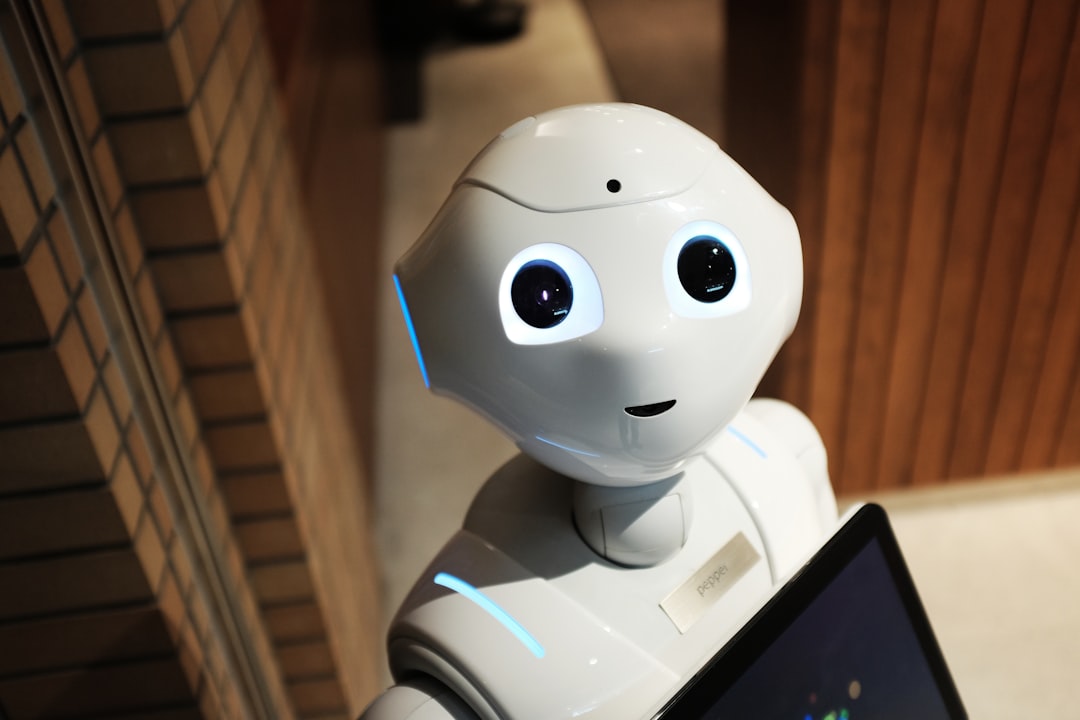
Machine learning plays a pivotal role in the functionality of modern chatbots, enabling them to process vast amounts of data and learn from interactions over time. Unlike traditional rule-based chatbots that rely on pre-defined scripts, machine learning chatbots utilize معالجة اللغة الطبيعية (NLP) to understand and respond to user queries more effectively. This capability allows them to engage in more fluid conversations, making interactions feel more natural and less robotic.
Moreover, machine learning algorithms empower chatbots to analyze user behavior and preferences, allowing them to tailor responses based on individual needs. For instance, if a customer frequently asks about specific products or services, the chatbot can prioritize those topics in future interactions. This adaptability not only enhances user satisfaction but also fosters a sense of connection between the customer and the brand.

As machine learning technology continues to evolve, the potential for chatbots to provide even more personalized and relevant experiences will only increase.
التخصيص والتخصيص في تفاعلات العملاء
Personalization has become a cornerstone of effective customer engagement strategies. In an era where consumers are inundated with choices, tailored experiences can significantly influence their decision-making processes.
Machine learning chatbots excel in this area by utilizing data-driven insights to customize interactions based on individual preferences and behaviors.
By analyzing past conversations and user data, these chatbots can offer personalized recommendations, promotions, or support that resonate with each customer.
The ability to customize interactions extends beyond mere product suggestions; it also encompasses the tone and style of communication. For example, a chatbot can adjust its language based on the user's demographic or previous interactions, creating a more relatable experience. This level of personalization not only enhances customer satisfaction but also builds trust and loyalty toward the brand. As customers feel understood and valued, they are more likely to engage with the brand in the future.
Chatbots have become increasingly sophisticated thanks to advancements in machine learning, enabling them to understand and respond to human language more effectively. A fascinating article that explores the latest developments in this field is available for those interested in learning more about the integration of AI in conversational agents. You can read it here: latest developments in chatbot technology. This resource provides insights into how machine learning algorithms are enhancing the capabilities of chatbots, making them more intuitive and user-friendly.
Improving Response Time and Efficiency with Machine Learning Chatbots
| المقاييس | قيمة |
|---|---|
| دقة | 85% |
| دقة | 90% |
| استذكر | 80% |
| نتيجة F1 | 87% |
One of the most significant advantages of machine learning chatbots is their ability to improve response times and operational efficiency. In traditional customer service settings, human agents may struggle to keep up with high volumes of inquiries, leading to longer wait times and potential frustration for customers. In contrast, machine learning chatbots can handle multiple conversations simultaneously, providing instant responses regardless of the number of users seeking assistance.
This efficiency not only benefits customers but also allows businesses to allocate resources more effectively. By automating routine inquiries and tasks, human agents can focus on more complex issues that require personal attention. This shift not only enhances overall productivity but also ensures that customers receive timely support for their needs. As machine learning technology continues to advance, chatbots will become even more adept at managing inquiries efficiently while maintaining high levels of service quality.
Anticipating Customer Needs and Preferences
Anticipating customer needs is a critical aspect of delivering exceptional service. Machine learning chatbots excel in this area by analyzing historical data and identifying patterns that indicate user preferences or potential issues. For instance, if a chatbot notices that a particular user frequently inquires about shipping times during certain periods, it can proactively provide updates or information related to shipping without waiting for the user to ask.
This proactive approach not only enhances the customer experience but also demonstrates a brand's commitment to understanding its audience. By anticipating needs, businesses can create a more seamless interaction that feels intuitive rather than reactive. This level of foresight fosters a deeper connection between customers and brands, as users appreciate being understood without having to articulate their needs explicitly.
Utilizing Data for Continuous Improvement
Data is at the heart of machine learning chatbots' effectiveness. By continuously collecting and analyzing user interactions, businesses can gain valuable insights into customer behavior and preferences. This data-driven approach allows organizations to identify trends, measure performance metrics, and pinpoint areas for improvement within their chatbot systems.
For instance, if data reveals that users frequently abandon conversations at a specific point in the interaction, businesses can investigate potential reasons for this drop-off. It may indicate that the chatbot is not providing adequate information or that users are encountering technical issues. Armed with this knowledge, organizations can make necessary adjustments to enhance the chatbot's performance and overall user experience. This cycle of continuous improvement ensures that chatbots remain relevant and effective in meeting evolving customer expectations.
The Future of Customer Experience with Machine Learning Chatbots
As technology continues to advance at an unprecedented pace, the future of customer experience with machine learning chatbots looks promising. Innovations in artificial intelligence (AI) and natural language processing will enable chatbots to engage in even more sophisticated conversations, making them indistinguishable from human agents in many scenarios. This evolution will further enhance personalization efforts, allowing brands to create hyper-targeted experiences that resonate deeply with individual customers.
Moreover, as businesses increasingly recognize the value of integrating machine learning chatbots into their customer service strategies, they will likely invest more resources into developing these technologies. This investment will lead to improved functionalities, such as voice recognition capabilities or multi-channel support across various platforms like social media and messaging apps. Ultimately, the future holds immense potential for machine learning chatbots to redefine how brands interact with their customers, creating experiences that are not only efficient but also deeply engaging and meaningful.
In conclusion, machine learning chatbots represent a significant advancement in customer service technology. By understanding customer experience dynamics, leveraging machine learning capabilities for personalization, improving response times, anticipating needs, utilizing data for continuous improvement, and embracing future innovations, businesses can create exceptional interactions that foster loyalty and drive growth. As these technologies continue to evolve, they will undoubtedly play an increasingly central role in shaping the future of customer experience across industries.
الأسئلة الشائعة
What is a chatbot with machine learning?
A chatbot with machine learning is a type of conversational agent that uses artificial intelligence and machine learning algorithms to understand and respond to user queries in a natural language format.
How does a chatbot with machine learning work?
A chatbot with machine learning works by using natural language processing (NLP) to understand user input, machine learning algorithms to analyze and learn from the data, and then generate appropriate responses based on the learned patterns.
What are the benefits of using a chatbot with machine learning?
Some benefits of using a chatbot with machine learning include improved accuracy in understanding user queries, the ability to handle complex conversations, and the capability to continuously learn and improve over time.
What are some common applications of chatbots with machine learning?
Common applications of chatbots with machine learning include customer service, virtual assistants, language translation, and personalized recommendations in e-commerce.
What are some limitations of chatbots with machine learning?
Some limitations of chatbots with machine learning include the potential for bias in the training data, the need for continuous monitoring and updates to avoid errors, and the challenge of handling ambiguous or complex user queries.
اترك ردًا